Reflected Light, Reasonable Use: Designing Rooftop Solar for Good Neighbourly Relations
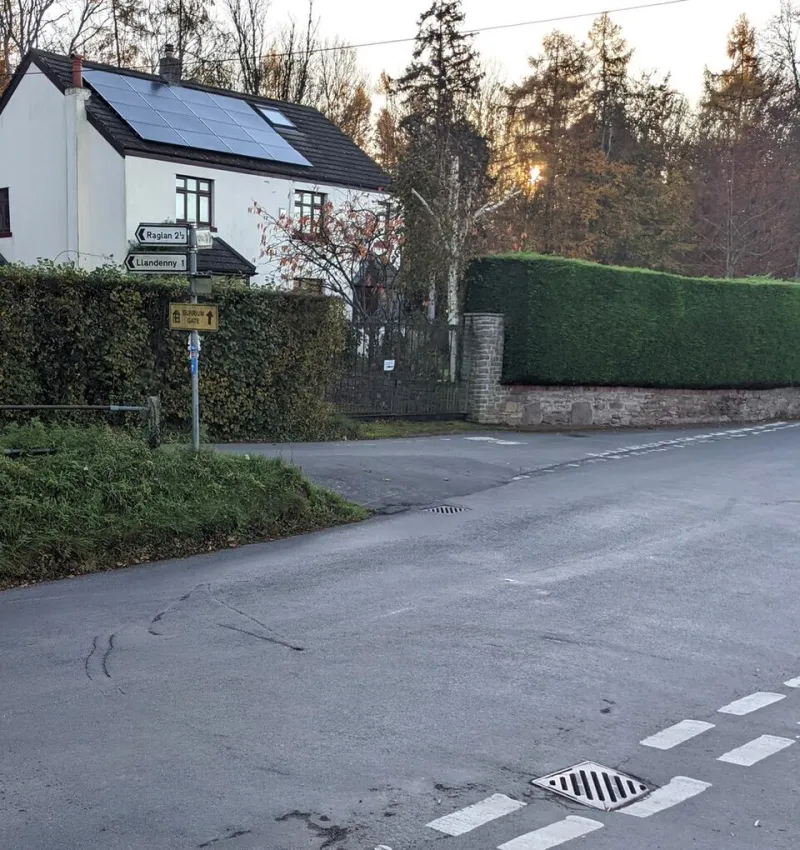
Photo: Jaggery , CC BY-SA 2.0, via Wikimedia Commons
Rooftop solar is usually discussed in terms of kilowatts, payback and carbon. Occasionally, however, the conversation shifts to a bright patch of light on a neighbour's wall or a flash across a kitchen window on a clear winter afternoon. Reflected light from photovoltaic panels is rarely constant, but it can be noticeable enough to prompt a complaint. The practical response is not to promise that a panel will never reflect sunlight. It is to show that the design has been considered, that the effect has been assessed, and that reasonable steps have been taken to reduce it.
Why a Panel Can Appear to Flash
A solar panel is designed to absorb sunlight, but its front surface is still glass. Standard module glass reflects a small proportion of incoming light, and that proportion rises at shallow angles when the sun is low in the sky. In the UK, this is most likely around sunrise and sunset, and during the winter months when the sun stays close to the horizon. The apparent brightness also depends on where the viewer is standing. A reflection that is obvious from one upstairs window may be invisible from the pavement, and a glare that lasts for ten minutes in December may not occur at all in June.
Geometry matters as much as the panel itself. A south-facing pitched roof will generally reflect light upwards and away from the ground, but surrounding buildings, trees and the viewer's position can change the picture. Flat roofs with tilted mounting frames, east-west arrays and panels mounted near the edge of a roof can all produce reflections that are more visible from neighbouring properties. The aim of a glare assessment is to identify those specific lines of sight rather than to treat every installation as equally likely to cause a problem.
What Neighbours Actually Experience
Most reports of solar glare describe a brief, seasonal effect: a bright reflection into a room for part of the morning or afternoon, often in winter, and often from one particular window. That is different from a persistent, all-day nuisance. A genuine problem is more likely to involve a reflection that repeatedly enters a main living space, lasts for long periods, or is intense enough to make a room uncomfortable to use.
It is also important to separate reflected sunlight from artificial light. Statutory nuisance rules in the UK are generally concerned with artificial light from premises, not with sunlight reflected from a solar panel. That does not mean a neighbour's concerns should be dismissed. It means the issue is usually best handled through design, communication and, where necessary, local authority advice or legal guidance, rather than by assuming a single regulatory route applies.
The Planning and Dispute Context in Plain English
In England, many domestic rooftop solar installations fall within permitted development, subject to conditions and exclusions. Listed buildings, conservation areas and some other locations require a different approach. Glare is not normally the deciding factor in a standard domestic planning application, but it can form part of the wider consideration of amenity in sensitive cases. Homeowners in Scotland, Wales and Northern Ireland should check the rules that apply in their nation, as planning and permitted development regimes differ.
If a complaint arises, the first step is usually a conversation rather than a formal process. A local planning authority may be able to advise whether the installation is compliant with any permission or permitted development limits. In rare cases, a neighbour may seek legal advice. Installers and homeowners should therefore keep a clear record of the design choices made before installation, not as a defensive measure, but as evidence of reasonable practice.
Design Levers Before a Complaint
Orientation and tilt are the most effective tools. A slight change in the azimuth or pitch of a panel can move a reflection away from a neighbour's window without materially affecting annual generation. Installers can model likely reflection paths using the site's geometry, the neighbour's window positions and the seasonal sun path. This is especially useful for flat roofs and for arrays that sit close to a boundary.
Layout also matters. Spreading panels across a roof, avoiding a single large mirror-like plane aimed at a neighbouring property, and keeping panels away from the most sensitive sightlines can reduce the chance of a concentrated flash. Anti-reflective glazing is another option. Many modern modules use textured glass or anti-reflective coatings that reduce front-surface reflection. Homeowners can ask for the module datasheet and compare reflectivity figures rather than relying on general claims.
Screening can help, but it must be practical and lawful. A hedge, a fence within permitted height limits, or a well-placed tree can interrupt a reflection, although maintenance and future growth need to be considered. Screening on the neighbour's side is not usually within the installer's control, so it should not be the only mitigation measure.
Communication and Documentation
Early conversation is undervalued. A short note to a neighbour before scaffolding arrives, explaining the proposed layout and acknowledging that a seasonal reflection may be visible, can prevent a small issue from becoming a formal complaint. It also gives the neighbour a chance to point out a window or seating area that the installer may not have considered.
Documentation should include the proposed layout, the module specification, any glare or reflection assessment, photographs of the roof and neighbouring elevations, and a record of the design rationale. If a complaint is made later, this file shows that the installation was planned with amenity in mind. It also helps the installer and homeowner agree on a monitoring period after commissioning.
A Pre-Installation Checklist
- Identify neighbouring windows, gardens and outdoor seating areas that face the proposed array.
- Ask the installer to model seasonal reflection paths, particularly for low winter sun.
- Consider a small change in orientation, tilt or panel position before changing the whole design.
- Specify anti-reflective glazing where reflection is a known risk.
- Check permitted development limits or seek planning advice for sensitive locations.
- Discuss screening options that are lawful, maintainable and effective.
- Write to neighbours before installation and provide a contact point for concerns.
- Keep datasheets, layout drawings, correspondence and assessment notes in one file.
- Agree a short post-installation review so that any seasonal effect can be observed and discussed.
Reflected light is an occasional by-product of a technology that otherwise asks very little of a roof. In most UK neighbourhoods, a sensible layout and an early conversation are enough to keep it in perspective. Where the risk is higher, a documented design process gives everyone a clearer basis for discussion and demonstrates that the installation was planned as a reasonable use of the property.
This article is general guidance, not legal advice. Homeowners with a specific dispute should seek advice from their local planning authority or a qualified professional.