Scored on Paper: Closing the Evidence Gap Between a Retrofit and Its EPC

Photo: Oto Zapletal, CC BY-SA 4.0, via Wikimedia Commons
An EPC is frequently treated as the last piece of paperwork in a retrofit: the heat pump is running, the panels are exporting, and the certificate is expected to catch up on its own. In practice, it does not. An Energy Performance Certificate is a separate assessment, built from a defined set of data fields and standard assumptions. If the assessor cannot see an improvement, or cannot record it in the approved methodology, the rating may barely move. That matters because the EPC remains a gatekeeper for mortgages, some grant schemes and rental compliance. A strong retrofit and a weak certificate can coexist, and the owner is usually the one who discovers the mismatch.
What the EPC is actually measuring
In England and Wales, most existing homes are assessed using RdSAP, the reduced data standard assessment procedure. The assessor records the age and construction of the property, insulation, glazing, heating system, controls and any fixed renewable generation. The calculation then produces an asset rating based on standard occupancy and climate assumptions. It is not a metered performance certificate. It does not read the heat pump controller, the inverter app or the smart meter. A heat pump operating at a good seasonal efficiency can still be scored through a methodology that makes conservative assumptions about electric heating. A solar array that performs well on a bright afternoon can be recorded as a capacity, an orientation and a tilt, not as a self-consumption pattern.
That distinction is not a flaw in the EPC so much as a limit of its design. The certificate is intended to compare properties on a like-for-like basis. The practical consequence, however, is that the quality of the assessment depends heavily on the evidence presented and on the assessor selecting the correct data fields. In 2026, with more households combining heat pumps, PV and batteries, the gap between what is installed and what is lodged is becoming more visible.
Heat pumps: the fields that decide the score
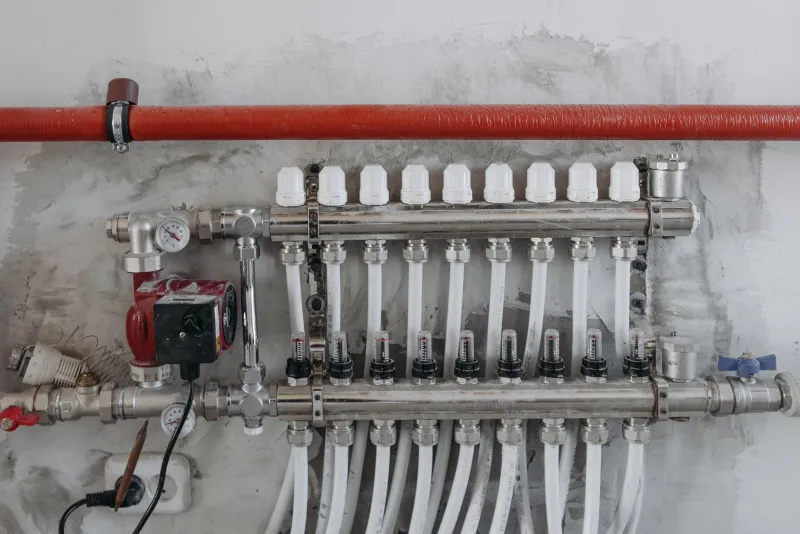
For a heat pump, the critical EPC fields are the main heating fuel, the heating system type, the emitter type and the controls. If the assessor records the system as direct electric heating, or as an older electric storage system, the rating will not reflect the installed heat pump. If the heat pump is bivalent or hybrid, the secondary system must also be recorded accurately. The hot water cylinder, its insulation and its controls form part of the picture.
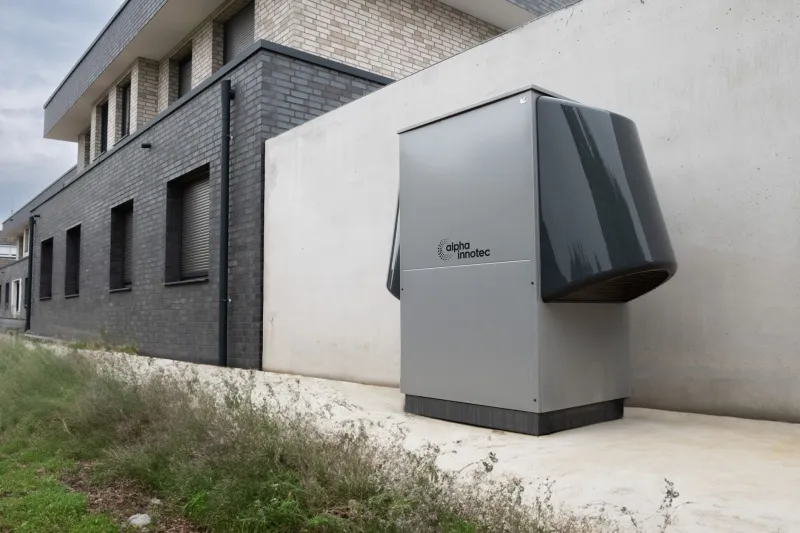
Assessors need evidence. An MCS certificate is the usual starting point for a domestic installation, supported by a commissioning sheet, building control notification where applicable, and photographs of the indoor and outdoor units, nameplates and controls. A handover pack that includes the schematic, the measured flow rates and the design temperatures is useful, although the EPC methodology will not incorporate all of it. The aim is to prove what was fitted, not to reproduce the design model.
A common gap appears when the heat pump is installed but the EPC is not re-lodged, or when the assessor is asked to rely on a verbal description. Another arises when the original EPC remains on the register and is used by a lender or letting agent because it is still within its validity period. The certificate may be technically valid and practically out of date.
Solar PV: capacity is only part of the record
Solar PV is more straightforward to record than a heat pump, but it is not automatic. The assessor needs the installed capacity, the orientation, the tilt and any significant shading. The MCS certificate provides the capacity and usually the module and inverter details. Photographs of the array, the inverter and the isolation equipment help to confirm that the installation is fixed and operational.
Where the PV was installed before the current owner purchased the property, the paperwork may be incomplete. The EPC register may show the earlier assessment, while the array has since been extended or re-inverted. A new assessment should reflect the current capacity, not the capacity recorded years ago. The same applies where panels have been removed, relocated or replaced.
Battery storage is less settled. RdSAP has limited scope to reward a battery in the asset rating, and the EPC is not designed to model time-of-use tariffs or self-consumption. A battery can be noted in the assessment evidence, but homeowners should not assume that adding storage alone will lift the rating. The benefit may be real in the electricity bill and in the way the PV is used, yet largely invisible on the certificate. That is a distinction worth understanding before a battery is bought for EPC reasons.
Building an evidence pack before the assessor arrives
A useful evidence pack is assembled at commissioning, not reconstructed months later. It should include the MCS certificate for the heat pump and the PV, the commissioning sheets, the electrical installation certificate, the building control notification where relevant, serial numbers, and clear photographs of nameplates and equipment. A simple one-page summary of what was installed, when and by whom can save time and reduce the risk of a field being missed.
Keep the pack with the property documents and give a copy to the assessor in advance. If the assessor visits before the equipment is commissioned, say so. An EPC lodged too early can record an incomplete installation, and correcting it later may require another visit and another fee.
Checking the lodged certificate
After the assessment, review the draft or the lodged certificate against the evidence pack. Check the main heating fuel and system type, the presence and capacity of PV, the heating controls and the insulation items that were part of the retrofit. Look at the recommendations: if they still suggest a heat pump or solar PV that is already installed, the data may be wrong. Ask the assessor to correct any error and re-lodge the certificate. The EPC register is not aDIY platform; the assessor or accreditation body must make the change.
An EPC is not a guarantee of performance, and it is not a substitute for commissioning data. It is a scored document that lenders, landlords and grant administrators may rely on. Treat it as part of the retrofit, with the same attention to evidence as the heat pump and the array. The rating after the retrofit should reflect the work that was done, but only if the paperwork proves it.