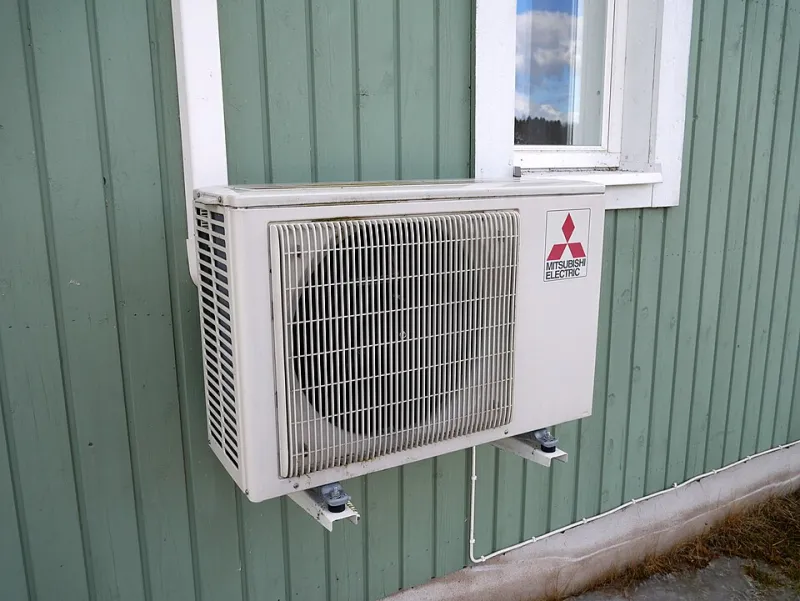
Fabric, Heat, Generation: The Order That Keeps Home Energy Upgrades Honest

UK homeowners considering a heat pump, insulation and solar PV in 2026 are not short of offers. The difficulty is not finding a product; it is deciding what to do first, what to defer, and which quoted figure to trust. A useful discipline is to treat the work as a sequence rather than a shopping list: fabric first, then heat pump, then solar. That order is not a slogan. It is a way of reducing capital at risk, improving comfort, and keeping grant applications and installer quotes comparable.
Why the shiny kit comes last
A heat pump is sized against a building’s heat loss. If the fabric is improved after the heat pump is installed, the unit may be larger than necessary, radiators may be oversized, and the owner may have paid for capacity that is never used. Solar PV has a similar problem in reverse. An array sized around yesterday’s electricity demand may be poorly matched to a future heat pump, an electric vehicle, or a changed working pattern. Installing generation before reducing demand can lock in the wrong specification for two decades.
There is also a commercial reason for the sequence. Bundled quotes are harder to compare. When insulation, a heat pump, a cylinder, radiators, scaffolding, solar panels and a battery arrive in one glossy proposal, it is difficult to see whether the grant has been deducted honestly or whether enabling works have been padded. Separate stages create separate decisions and separate points at which to stop.
Start with a room-by-room heat loss view
A full engineering model is not necessary for every home, but a credible starting point is. The Energy Performance Certificate is useful, though it is a broad instrument and can be out of date. A better approach is to combine the EPC with an installer’s heat loss survey and a walk-round inspection of loft insulation, cavity or solid walls, glazing, draughts, suspended floors and ventilation.
Low-cost measures deserve early attention: loft top-ups, draught proofing, pipe insulation, and fixing obvious bypasses around loft hatches and suspended floors. Heavier measures such as solid wall insulation or window replacement need a longer view. The key question is not “what can be installed?” but “what reduces heat demand enough to make the next stage smaller?”
Ventilation must be part of this assessment. Tightening a home without considering moisture and air quality can create problems. In older UK properties, particularly those with open fires, extract fans or unvented hot water, the fabric plan should be agreed alongside a ventilation plan.
The grant stack is not a shopping list
The Boiler Upgrade Scheme in England and Wales, and equivalent support in Scotland, can make a heat pump more affordable, but eligibility rules matter. In England and Wales, the Boiler Upgrade Scheme generally requires a valid EPC with no outstanding recommendations for loft or cavity wall insulation, unless an exemption applies. The installer must be MCS certified and registered for the scheme. Grant levels and rules can change, so the current published rate should be checked before budgeting rather than assumed from an installer’s leaflet.
A common trap is to let a salesperson promise a grant before eligibility has been tested. Another is to accept a quote that deducts a grant without showing the underlying price. Ask for the gross price, the grant deduction, and the net price in writing. Confirm who applies for the grant and what happens if the application is rejected.
If the home needs fabric work first, do not let a heat pump quote pressure you into skipping it. A smaller, better-insulated home may need a smaller heat pump, lower flow temperatures and fewer radiator changes. That can be a better outcome than a larger grant-assisted installation bolted onto a leaky building.
Heat pump next: size, not badge
Once the fabric plan is settled, the heat pump stage should begin with a heat loss calculation, not a brand preference. Ask for a room-by-room assessment and a clear schedule of radiator upgrades, pipework changes, cylinder size and controls. Compare quotes on the same scope. Check that the installer is MCS certified and experienced with the property type.
Be alert to upselling. A quote that includes unnecessary “hydrogen-ready” equipment, a premature battery, or a solar array before the heat loss work is complete is not a system design; it is a bundle. The useful questions are simpler: what flow temperature is being designed for, how is hot water being met, where will the unit sit, what noise is expected, and how will defrost cycles be managed in cold weather?
Solar after the heat pump: match generation to the new load
Solar PV is often most valuable after the heat pump because the home’s electricity profile has changed. A heat pump adds winter demand, while solar generates most in summer. That does not make solar a poor choice; it makes sizing and self-consumption important. A well-designed system should consider daytime occupancy, hot water timing, export tariffs and whether a battery is genuinely useful or merely being sold.
Roof condition, shading, inverter location and network operator notification all need checking before signing. If the roof is near the end of its life, fix it before mounting panels on it. If the consumer unit or earthing is inadequate, those costs should be visible in the quote rather than discovered later.
Finance and quote discipline
Obtain at least three itemised quotes and keep the stages separate. Compare like with like: scaffolding, electrical work, commissioning, warranty and aftercare should be visible. Avoid finance packages with early repayment penalties unless the total cost is understood. Green mortgages and ordinary loans can both be sensible, but the cheapest headline rate is not always the cheapest overall arrangement.
A practical decision framework is therefore: audit the fabric, fund the low-risk measures, revisit the heat loss calculation, specify the heat pump, then consider solar against the revised load. If the budget cannot cover all three stages, stopping after fabric work is not failure. It is often the most honest use of money.
In 2026, the grants and products will keep changing. The sequence should not. Boring order protects homeowners from quote inflation, eligibility surprises and the quiet cost of buying the wrong kit first.